After the Storm: What to Do in the First 24 Hours When Your Roof Is Damaged
That nor’easter that blew through last October? Knocked shingles off roofs from Barnegat to Manahawkin. Next morning there were people standing in their driveways in bathrobes, staring at their roofs, coffee getting cold. I get it. It’s overwhelming. You’ve got water dripping somewhere, shingles scattered in the yard, maybe a tree branch sitting where it shouldn’t be.
What you do in the next 24 hours matters more than you think. Here’s the playbook.
Stay Safe First
Do not get on the roof. I don’t care if you think it’s a quick fix. Damaged roofs are unstable. Wet surfaces are slippery. People fall. Every year.
If water’s coming in, grab some towels and buckets, move furniture away from the drip zone, and focus on limiting the mess inside. That’s all you need to do right now. And if there are downed power lines anywhere near your property, stay inside. Call JCP&L or your electric provider. Don’t go near them.
Document Everything
Phone out. Camera on. Start shooting before you touch anything.
Wide shots of the roof from the yard. Close-ups of damage—missing shingles, cracked flashing, dented gutters, tree limbs. Go inside and get photos of every water stain, every drip, every wet spot. Multiple angles. More is better. FEMA says thorough documentation is the single most important thing you can do for your insurance claim. They’re not wrong.
Date stamps on the photos matter. Your adjuster wants to see what things looked like right after the storm—not after you cleaned up.
Prevent Further Damage
Insurance policies have this thing about “mitigating further loss.” Basically: we don’t expect you to fix the roof, but don’t just stand there watching rain pour into your living room for a week either. Take reasonable steps to stop things from getting worse.
Tarp over a hole if you can do it safely from inside the attic. Buckets under drips. Move stuff away from wet areas. If the damage is serious—big hole, tree through the roof, that kind of thing—call an Ocean County emergency roofer immediately. Emergency tarping is heavy-duty tarps strapped over the damage to keep rain out until real repairs happen. Getting that done the same day can save you thousands in water damage. Not exaggerating.
Call Your Insurance Company
Don’t sit on this. Most policies have a reporting window and if you miss it, things get complicated fast. Call them, give them the rundown: what happened, when, what the damage looks like. Have your policy number ready so you’re not digging through a filing cabinet while you’re on hold.
Ask when they can send an adjuster. After big storms on the Shore, adjusters get slammed—could take weeks. That’s why temporary repairs matter. Storm damage from wind, hail, and fallen trees is generally covered. Normal wear and tear isn’t. The more documentation you’ve got, the smoother this whole thing goes.
Get a Professional Inspection
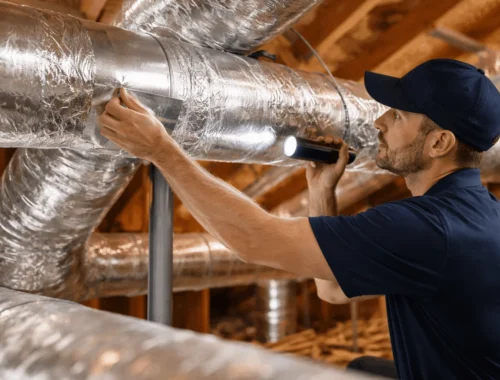
Your roof might look okay from the ground and still have problems you can’t see. Hail cracks shingles in ways that are invisible from thirty feet below. Wind lifts tabs just enough to break the seal without tearing anything off. Those invisible issues turn into leaks three months later, and then it’s harder to connect them back to the storm for your claim.
Get someone up there. A real inspection—written report, photos, the works. That’s what your adjuster needs. GRM Roofing does free storm damage inspections across Little Egg Harbor, Barnegat, Manahawkin, and the rest of Ocean County. The report alone is worth the phone call.
Don’t Sign Anything Under Pressure
After every big storm, the door-knockers come out. Some are legit. A lot aren’t. The sketchy ones pressure you into signing something right there on the porch. They want big deposits before touching a single shingle. Some offer to waive your deductible, which sounds generous until you find out it’s illegal in a lot of places.
Take your time. Get multiple quotes. Ask for a New Jersey contractor’s license number. Verify their insurance. Look them up. Your roof is not a snap decision.
Watch Out for Storm Chasers
Real talk: if a roofing company found YOU the day after the storm, be very careful. Ask for their NJ license. Ask for their insurance certificate. Ask for actual local references—names and phone numbers, not just a website. Legitimate companies have all three of those ready in five minutes. Storm chasers from out of state get vague real quick.
Trust your gut. If it feels pushy, it probably is.
Stay Calm, Act Fast
There’s a clear sequence here: stay safe, take photos, stop the bleeding, call insurance, get a pro inspection. Keep a folder somewhere—phone, desk drawer, wherever—with your policy info, contractor contacts, and any past inspection reports. Next time something blows through, you’ll know exactly what to do. (609) 389-2485 for a storm damage inspection.